

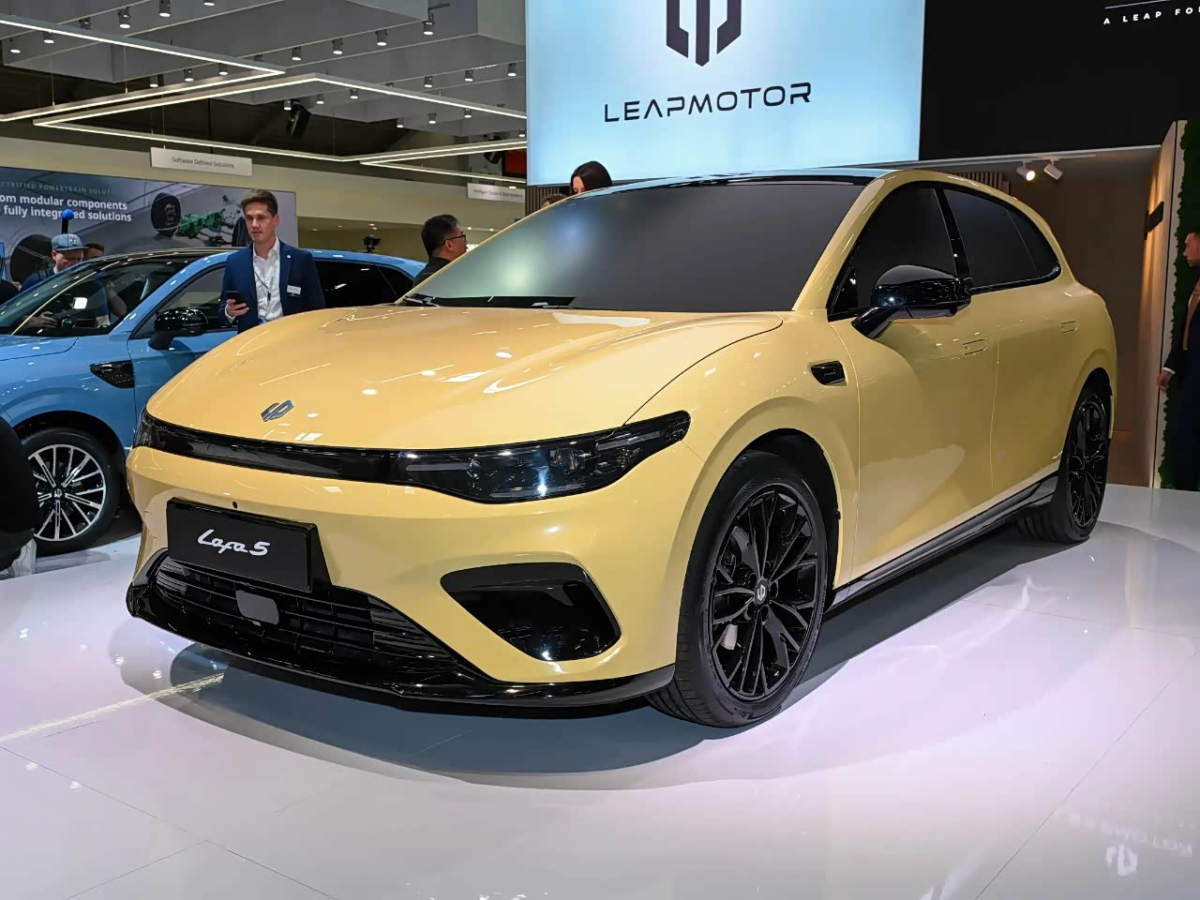
Leapmotor, the electric vehicle startup supported by Stellantis, has announced that its total global vehicle deliveries have now exceeded 1.5 million units.
The company delivered its first vehicle in June 2019 and has since experienced rapid growth. By October 2024, cumulative deliveries reached 500,000 units, and the one-million milestone was achieved just one year later. In May 2026, Leapmotor set a new monthly record with 81,569 deliveries worldwide, representing an 81% increase compared to the same month in the previous year.
For the full year of 2026, Leapmotor has set a global delivery target of 1 million units. This includes 850,000 to 900,000 vehicles for the domestic Chinese market and 100,000 to 150,000 units for international markets.
The company's product strategy for 2026 emphasizes a balanced portfolio:
- New models: Expected to generate 40% of total annual sales.
- Updated models: Existing vehicles will account for the remaining 60% of deliveries.
- Premium shift: The D-series high-end models are projected to increase their sales share, aiming to improve the brand's overall profitability structure.
In China, Leapmotor continues to rely on its C-series, targeting the family vehicle segment priced between 120,000 and 250,000 yuan (17,600 to 36,800 USD). Meanwhile, the entry-level A-series, priced from 60,000 to 120,000 yuan (8,800 to 17,600 USD), is designed to drive volume growth.
International expansion and manufacturing
Leapmotor now operates in over 40 countries and regions, with a global network exceeding 2,000 outlets. The brand has achieved profitability in its international business and holds a market share of over 30% in the pure electric vehicle segment in Italy.
To reduce import tariffs and logistics costs, Leapmotor is adopting a “Europe + Southeast Asia” dual-manufacturing strategy:
- Europe: Construction of a proprietary factory is set to begin in the second quarter, with localized CKD (Completely Knocked Down) assembly via Stellantis' Spanish plant scheduled for the fourth quarter.
- Global reach: The company is actively expanding into Southeast Asia and the Middle East, tailoring vehicle configurations to meet local regulations and charging infrastructure requirements.