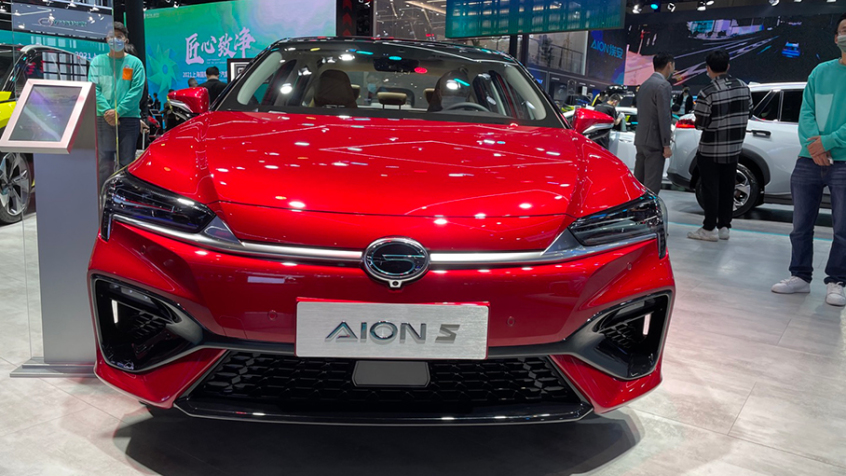
A serious quality problem has surfaced in the GAC Aion S lineup, with numerous owners reporting severe battery malfunctions such as swelling, fluid leakage, and cell ruptures. These defects have caused sudden power loss while driving, raising major safety alarms.
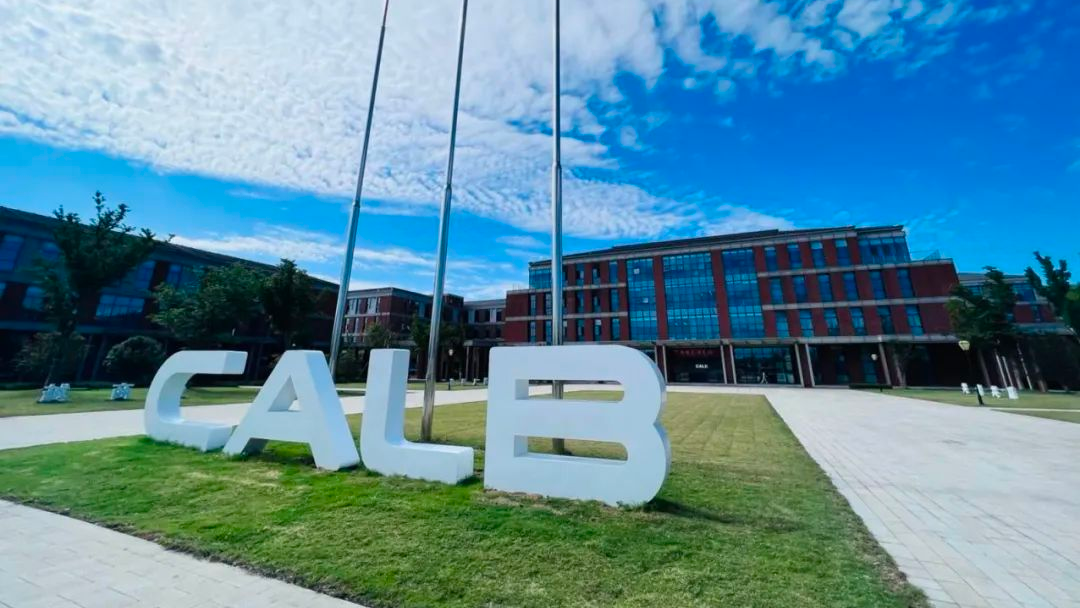
According to Jiemian News, the failures are concentrated in vehicles with odometer readings between 150,000 km and 300,000 km. Data from consumer complaint platforms like 12365auto and Black Cat reveals 182 grievances filed in just half a month, equating to a fault detection rate of 4.7% across a fleet of roughly 213,000 affected units. The root cause has been identified as the 177Ah lithium iron phosphate (LFP) battery cell manufactured by CALB.
Following an investigation by China’s state-run Xinhua News Agency, mounting public pressure led GAC Aion and CALB to issue apologies and remediation plans on July 18, 2026. GAC Aion has extended the battery warranty for impacted vehicles to 8 years or 300,000 km, pledged free inspections and replacements, and offered subsidies for any repair work exceeding five days. CALB has likewise committed to providing free inspection and maintenance services.
Industry analysts told Jiemian News that these are not isolated cases but rather point to systemic manufacturing defects. Experts have flagged potential issues including improper electrolyte system design, substandard assembly precision, and insufficient ageing test verification.
The financial fallout from this crisis is significant. Although GAC Aion and CALB have opted for an extended warranty and repair program instead of a formal recall, the scale—affecting over 213,000 vehicles—represents a heavy financial burden. For context, a prior battery dispute between Geely’s VREMT and Sunwoda ended with a settlement of 2.314 billion yuan (approximately 340 million USD). Given that the current incident involves a much larger vehicle count, potential costs could surpass that figure, putting substantial pressure on both GAC and CALB, especially in light of their recent financial results.
CALB’s financial report shows its total profit for the full year 2025 was 2.095 billion yuan (308 million USD). Meanwhile, GAC recently issued a profit warning for the first half of the year, forecasting a net loss of 4 to 4.5 billion yuan (588 to 662 million USD).
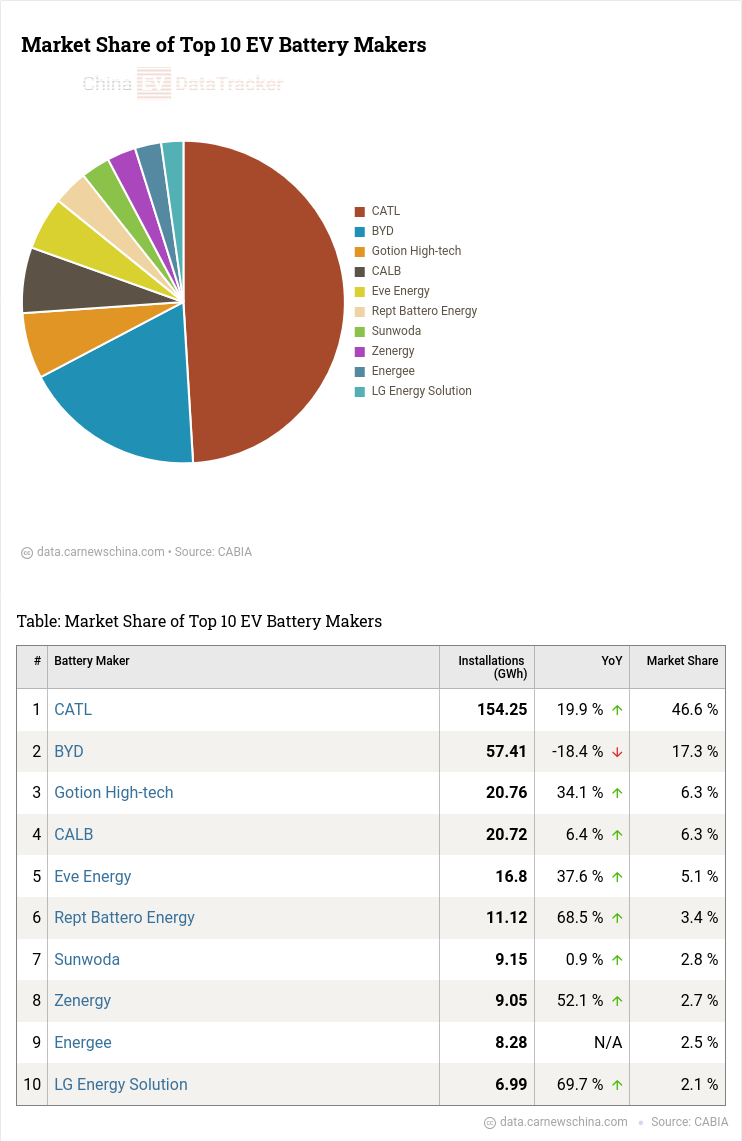
CALB ranks as the fourth-largest battery manufacturer by installation volume, holding a 6.3% market share—comparable to Gotion High-tech and trailing only industry leaders CATL and BYD.