
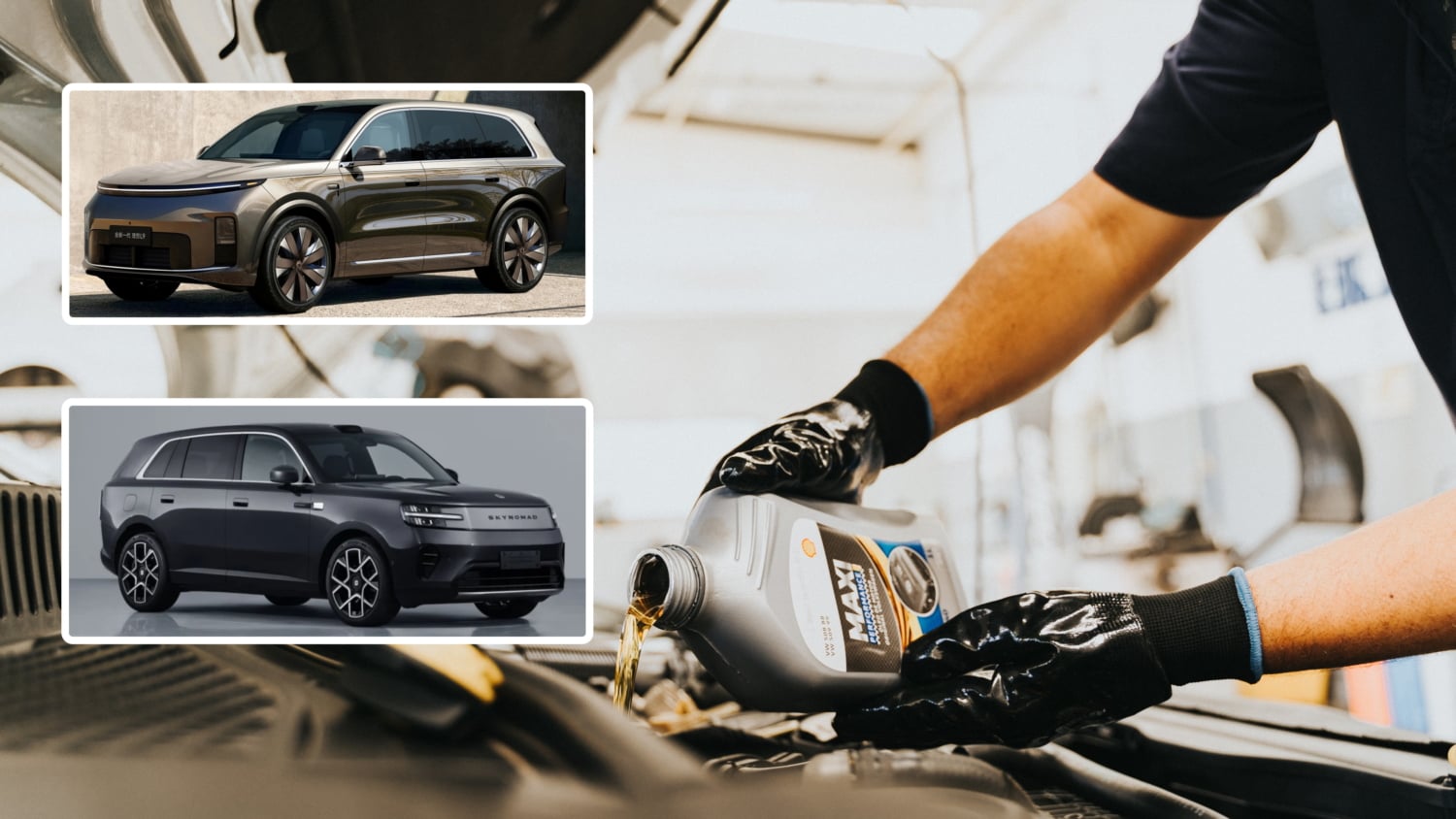
Chinese manufacturers of range-extended electric vehicles (EREVs) are extending oil change intervals to 3 years or 30,000 km (approximately 18,600 miles) to minimize the maintenance gap with pure EVs. Li Auto has introduced this policy for its L8 and L9 EREV SUVs, while Xiaomi has made a similar commitment for its upcoming Skynomad SUVs.
As battery sizes and EV ranges grow, Chinese EREV owners increasingly rely on pure-electric driving for daily commutes, charging overnight at home and using the range extender only during long highway trips. Although EREVs eliminate range anxiety, service costs have become a concern, with some owners forced to change oil even when the range extender remains unused throughout the service period.
The latest strategies from Li Auto and Xiaomi address this issue, reducing the maintenance and upkeep differences between EREVs and EVs to appeal to consumers undecided between the two technologies.
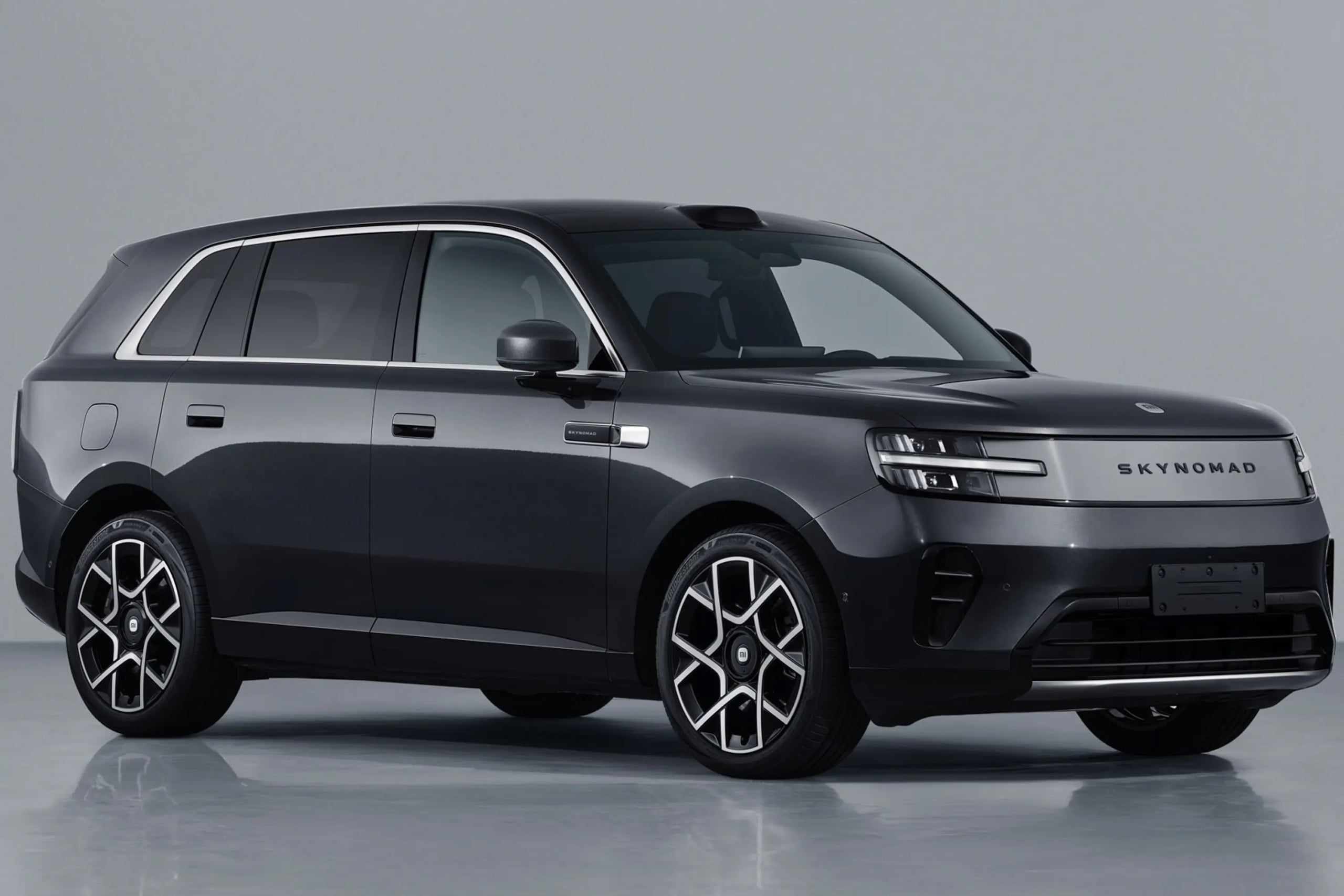
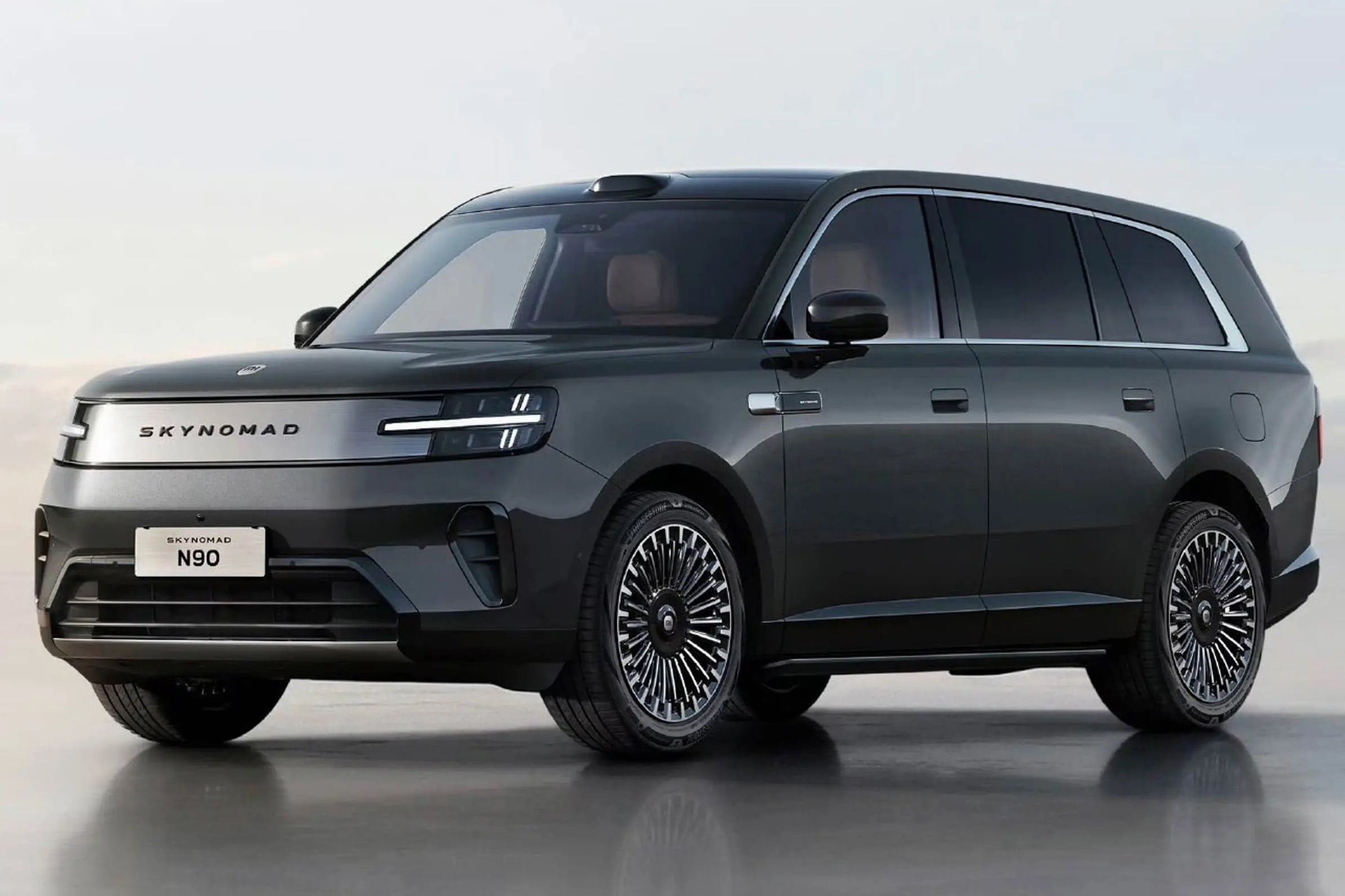
Xiaomi’s Skynomad Servicing Plans
Although both brands offer identical service intervals, their implementation differs. For Skynomad EREV SUVs, an initial service is required 1 year or 10,000 km after delivery, with subsequent oil changes scheduled every 3 years or 30,000 km.
Xiaomi has partnered with Shell for lubrication and specifies a low-viscosity API SQ 0w-16 oil for the range extender. The oil capacity for the 1.5T Harbin Dongan engine remains undisclosed.
Li Auto’s Servicing Approach
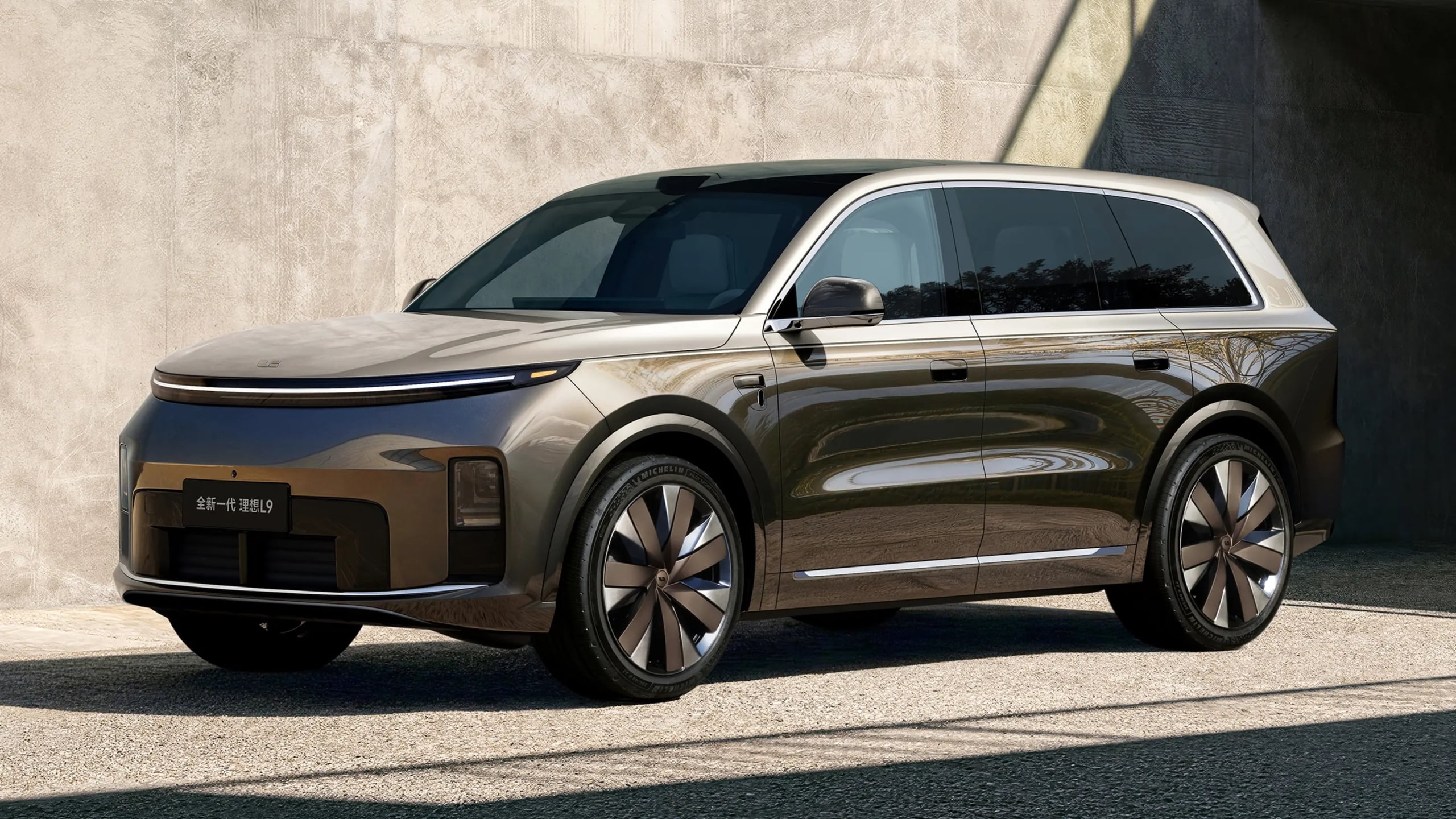
Li Auto states that the new L8 and L9 SUVs feature “intelligent oil life monitoring systems,” which justify the removal of a break-in period. After delivery, owners follow a “3 years / 30,000 km” service interval with no initial service required.
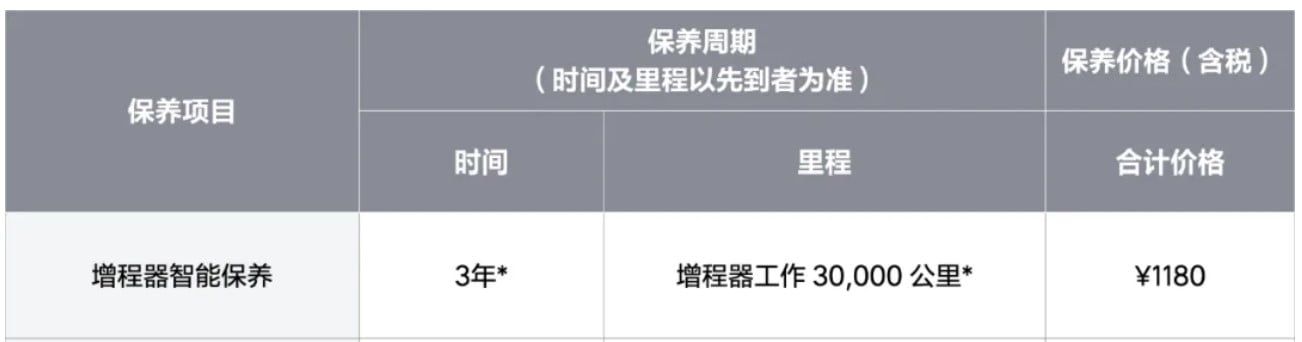
The brand has also partnered with Shell to offer a “Li Auto-exclusive super-low-viscosity long-life” engine oil, although details on oil grade or capacity have not been released.
Warranty Concerns and Global Markets
The extended service intervals rely on specially formulated engine oils, giving automakers greater control over the ownership experience and potentially discouraging DIY servicing. Electric Planet, a Chinese NEV-focused outlet, reports that Li Auto staff warned against servicing outside the dealer network. The automaker stated that even using oils of the same grade and standard could “highly possibly” impact the warranty.
This approach may help recover profits amid China’s intense price war. With many Chinese automakers facing thin margins in manufacturing and after-sales, locking customers through warranty threats ensures a steady revenue stream. For the L8 and L9, Li Auto charges 1,180 yuan (174 USD) for a “3 years / 30,000 km” oil change at official service centers. Outside the brand network, a 4-litre 0w-16 Shell oil change costs nearly half, with Tmall Car Care, an Alibaba subsidiary, quoting 600 yuan (89 USD).
It remains unclear whether these intervals will apply outside China. While Xiaomi currently sells only domestically, Li Auto is expanding into Central Asian and Middle Eastern markets. Different climates, road conditions, and user preferences may require tailored servicing strategies.