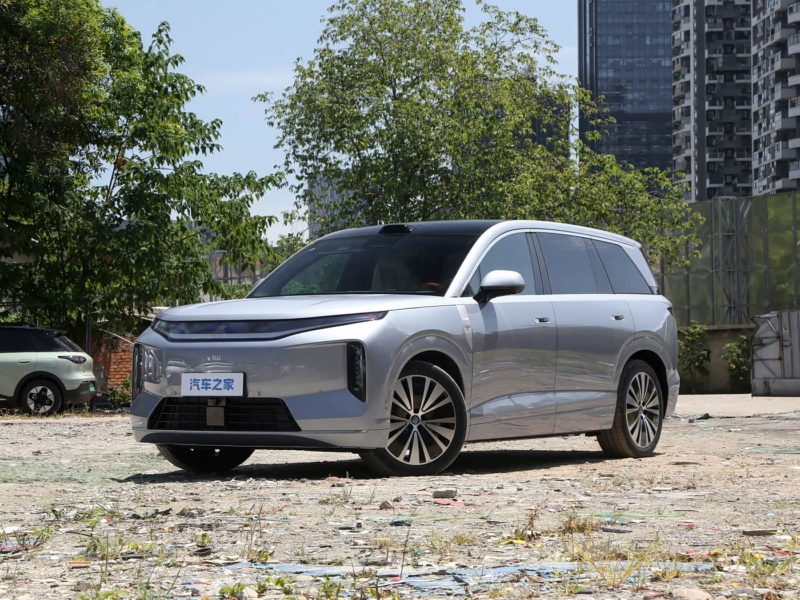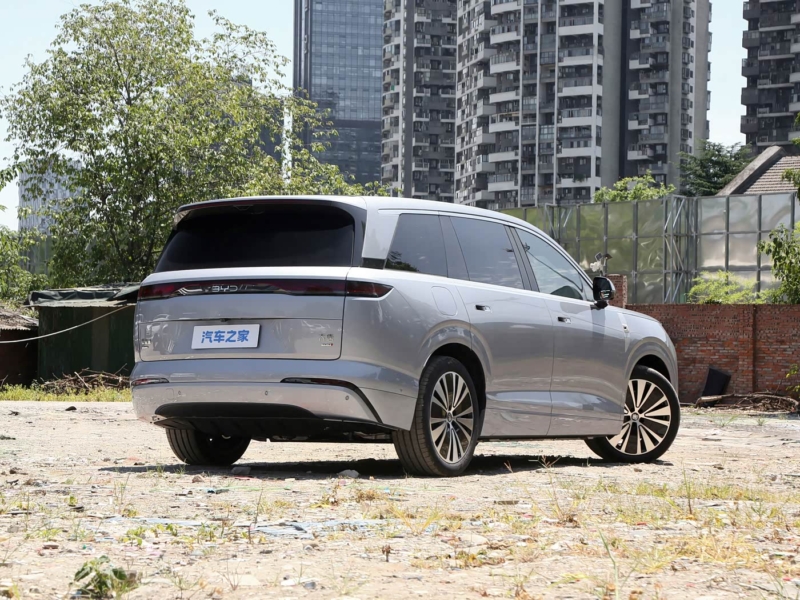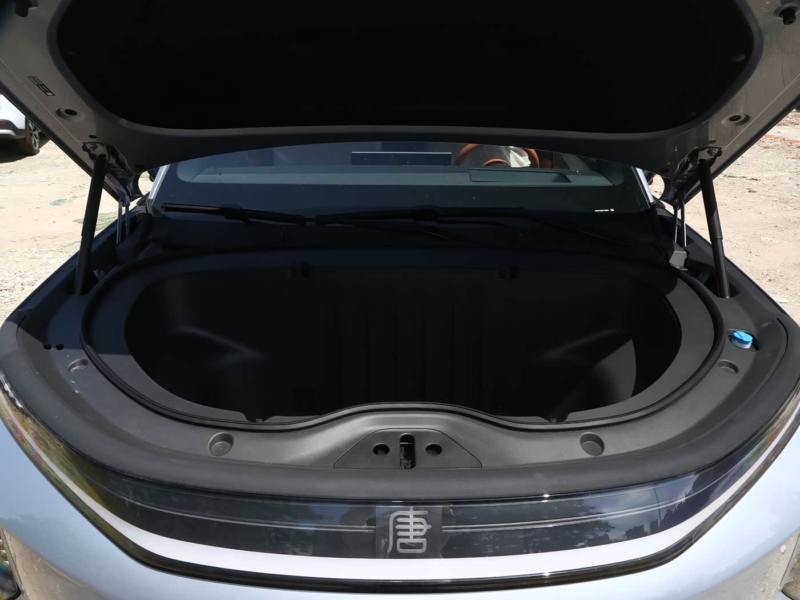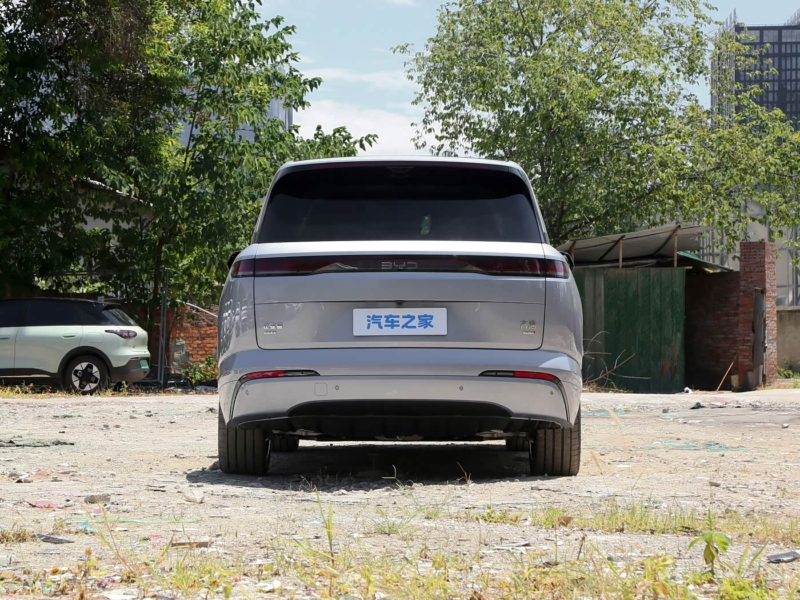

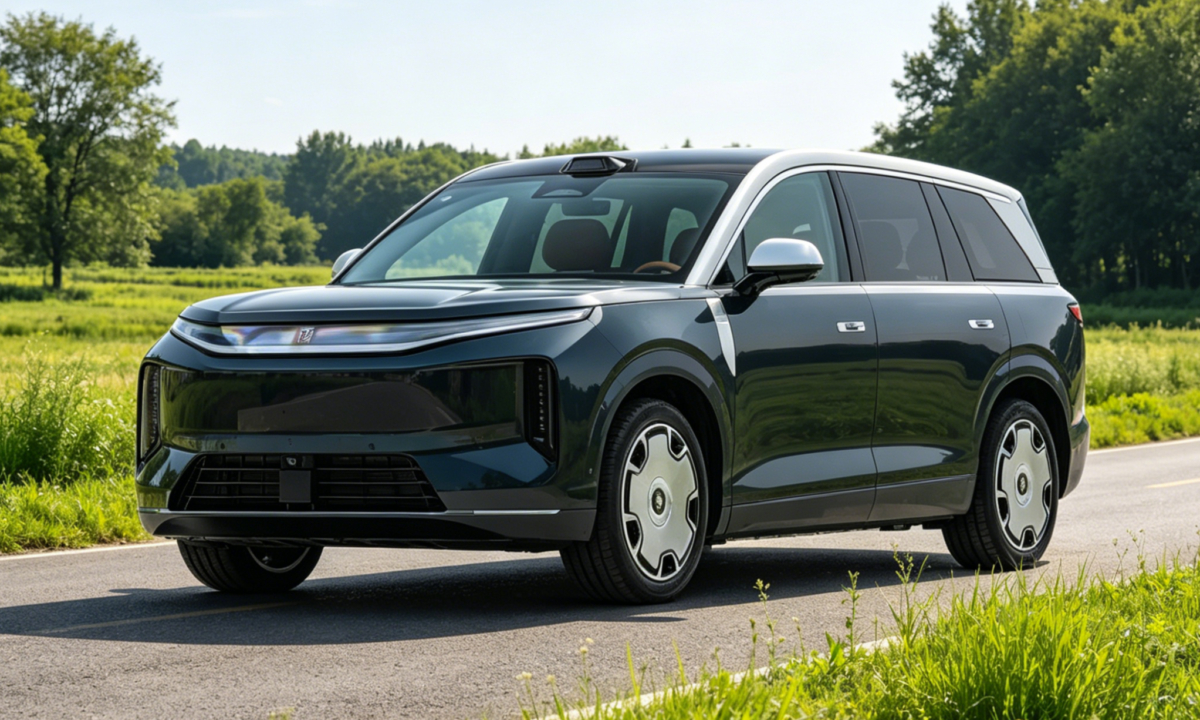
BYD officially launched its highly anticipated Great Tang (Da Tang) full-size flagship crossover on Wednesday evening, expanding its upscale Dynasty network to target premium multi-row families. The large electric sport utility vehicle enters the domestic market at a finalised starting price of 239,900 yuan (35,500 USD), introducing the second-generation Blade Battery cell architecture alongside a high-voltage electrical network.
The commercial rollout follows a comprehensive pre-sale campaign initiated at the Beijing Auto Show, culminating in a four-trim retail structure designed to secure market share in the premium large family segment.
| Variant | Drivetrain Type | Battery Capacity | CLTC Range | Launch Price (CNY) | Launch Price (USD) |
| 800KM Premium | Rear-Wheel Drive | 105.79 kWh | 800 km | 239,900 yuan | 35,500 USD |
| 950KM Flagship | Rear-Wheel Drive | 130.15 kWh | 950 km | 269,900 yuan | 39,900 USD |
| 850KM 4WD Flagship | All-Wheel Drive | 130.15 kWh | 850 km | 289,900 yuan | 42,900 USD |
| Shengshi Edition | All-Wheel Drive | 130.15 kWh | 850 km | 309,900 yuan | 45,900 USD |
Powertrain and battery
The electric flagship features an advanced 1,000V high-voltage architecture paired with in-house-developed lithium iron phosphate chemistry. The entry-level rear-wheel-drive tier features a 105.79 kWh battery pack powering a 300 kW electric motor, delivering an 800 km range. Higher tiers deploy a larger 130.15 kWh pack, enabling a peak CLTC range of 950 km for the 370 kW single-motor variant, while the 585 kW dual-motor variant claims an 850 km range and a 3.9-second sprint time.
Upstream charging capabilities are anchored by a dedicated flash-charging system that achieves rapid cell replenishment under optimal thermal conditions. The system can restore capacity from a 10% charge state to 70% in five minutes, and to 97% in nine minutes.
Chassis and dynamics
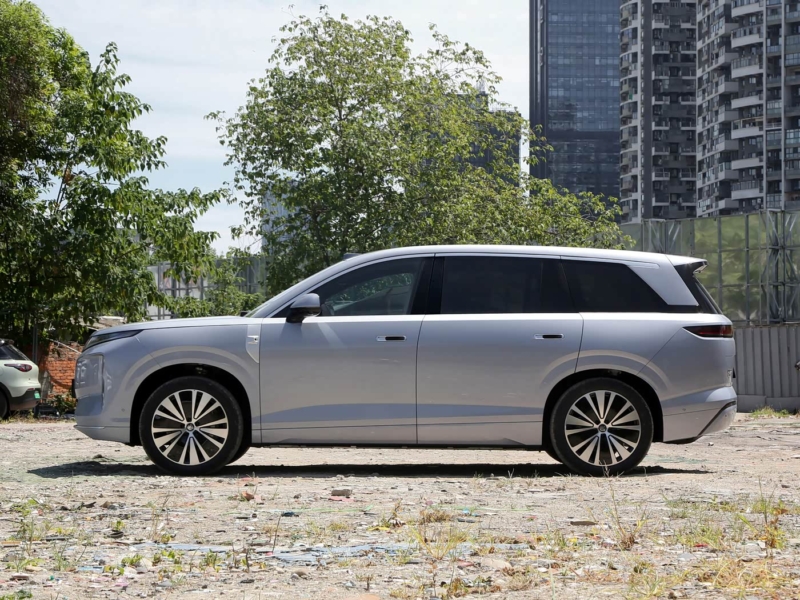
The full physical proportions of the heavy platform span 5,263 mm in length, 1,999 mm in width, and 1,790 mm in height, with optional content extending the outer dimensions up to 5,302 mm long and 1,800 mm tall. Dynamic handling across this 3,130 mm wheelbase is managed by the proprietary DiSus-A intelligent suspension system, which incorporates dual-chamber air springs capable of adjusting across a 100 mm travel threshold. The setup incorporates active road-preview sensors that preemptively alter damping resistance based on incoming surface topology.
Agility is enhanced by standard rear-wheel steering, which delivers a maximum articulation angle of ±7 degrees. This engineering implementation compresses the turning radius of the large chassis to just 5.2 meters while introducing a lateral crab-walk driving mode.
Cockpit and accessories
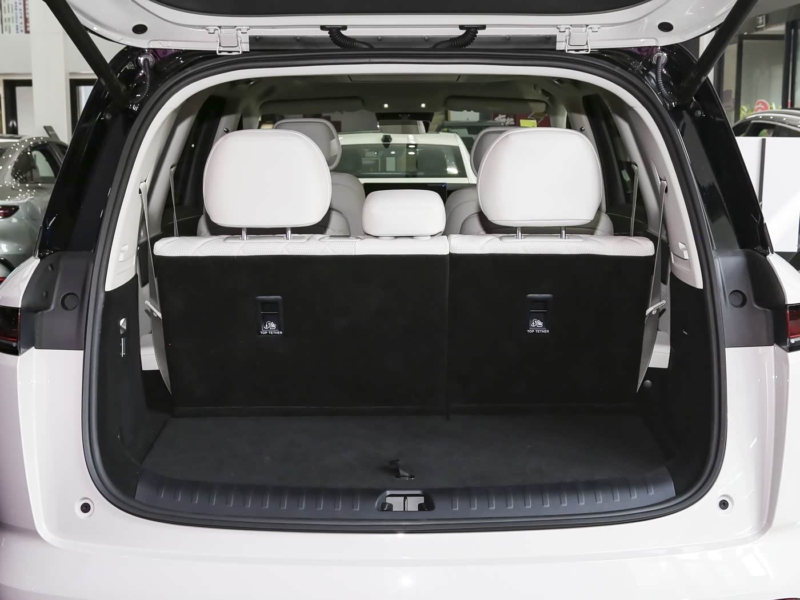
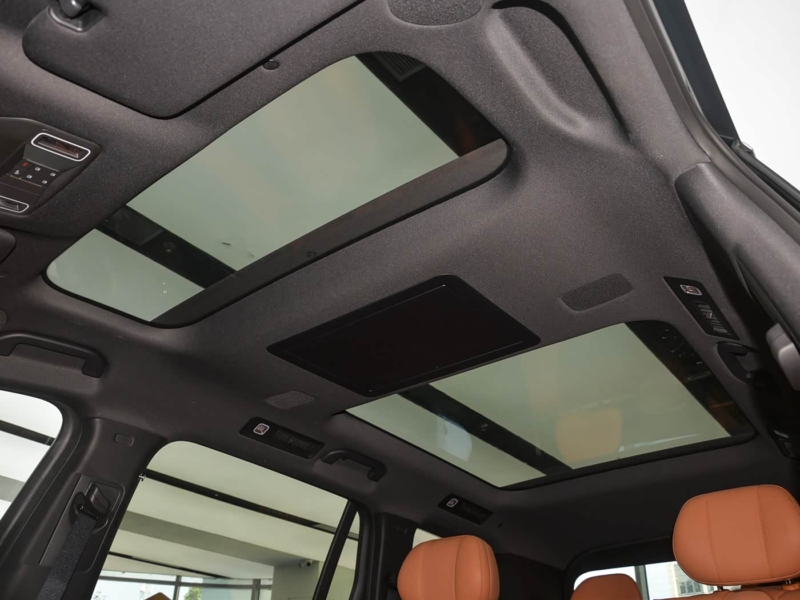
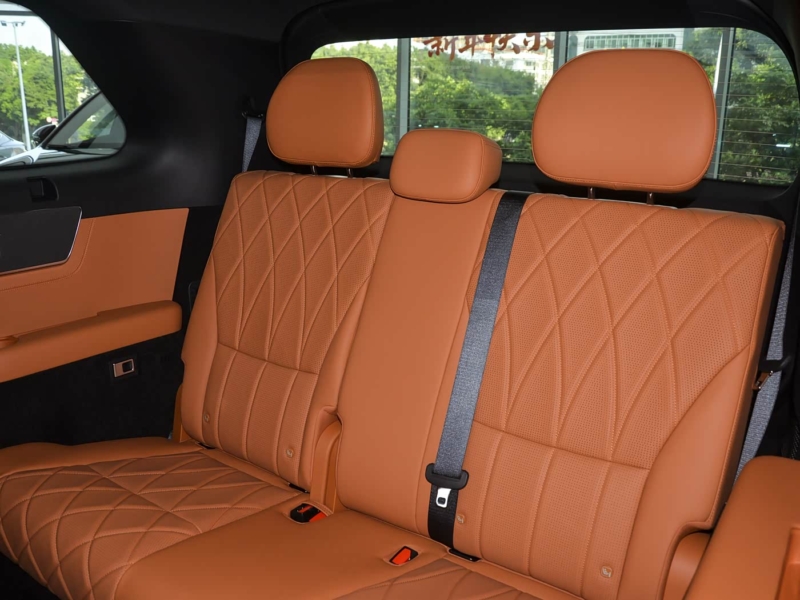
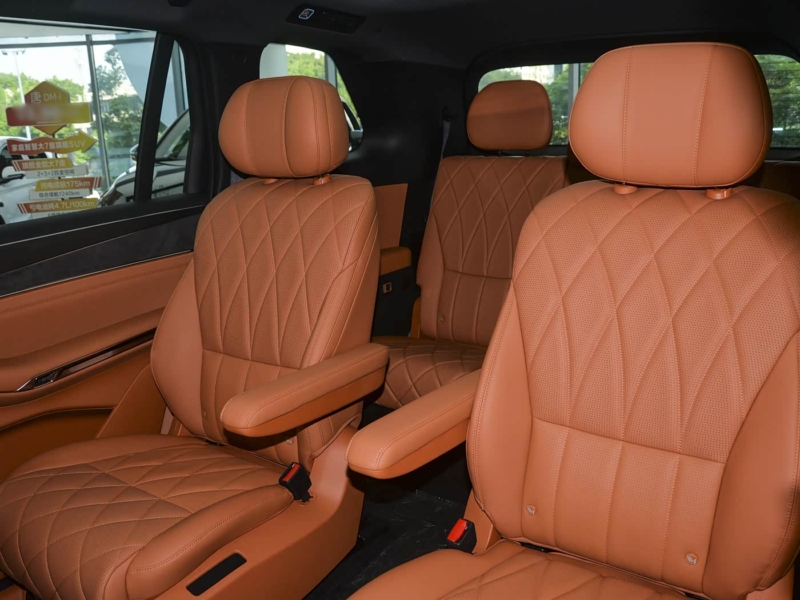
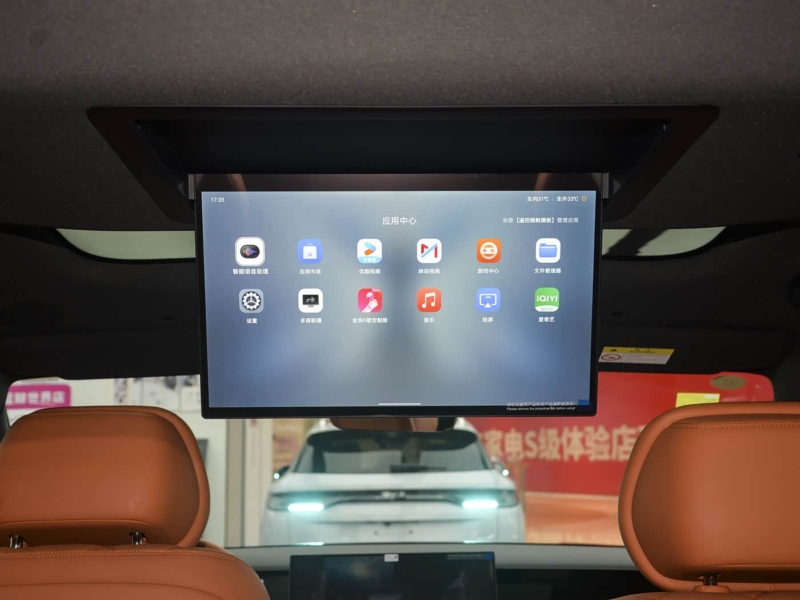
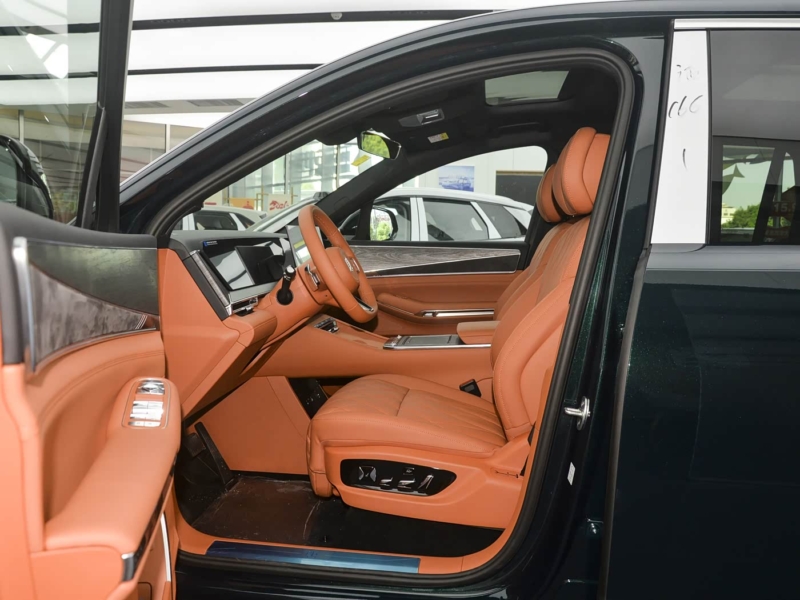
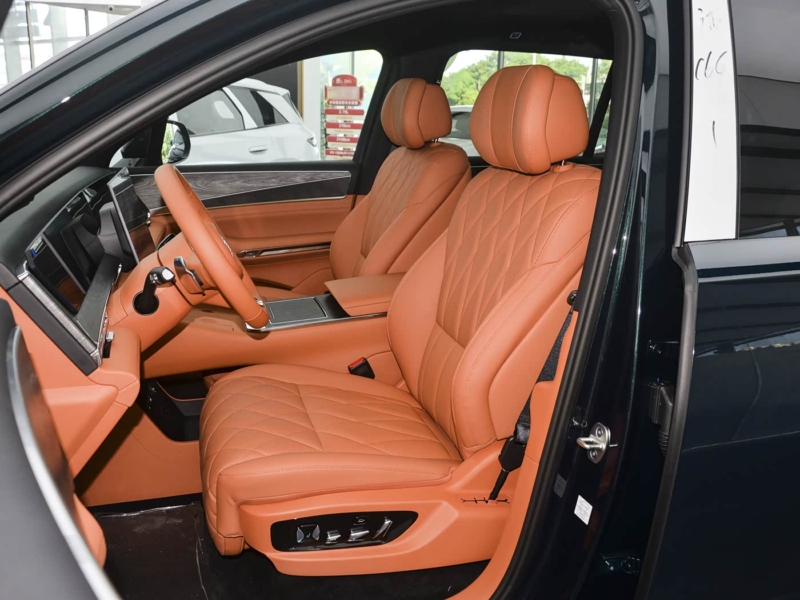
The cabin architecture adopts a 2+2+3 seven-seat configuration managed by a premium 3nm processor node. Front occupants receive individual zero-gravity seating, whereas the second row features airline-style lounge chairs with 146-degree recline capabilities, dedicated 70-degree motorised leg rests, and an integrated 17.3-inch overhead entertainment display. The interior environment includes a 2.53-square-meter acoustic laminated glass canopy with a fully hidden, triple-layer internal shade structure.
The vehicle debuts a physical accessory infrastructure utilising smart Lingdong magnetic keys to control core ecosystem features. These auxiliary physical hardware buttons snap onto magnetic cabin interfaces, allowing users to control climate profiles, audio tracks, or seat positions via analogue dials, mirroring a highly customizable physical interface concept pioneered by Xiaomi.
Strategy and competition
The launch matches BYD’s internal strategy to enter higher price brackets and secure better profit margins in the multi-row vehicle segment. By pairing these hardware features with a base price of 239,900 yuan, the automaker establishes a direct market alternative to premium full-size entries like the Li Auto L9 and Aito M9.
This positioning balances volume targets with high-end hardware deployment, allowing the manufacturer to defend its domestic market share against tech-focused automotive rivals. Ultimate market performance depends heavily on production scaling, as factory output must satisfy existing order backlogs while supply lines prepare for upcoming plug-in hybrid variants.